
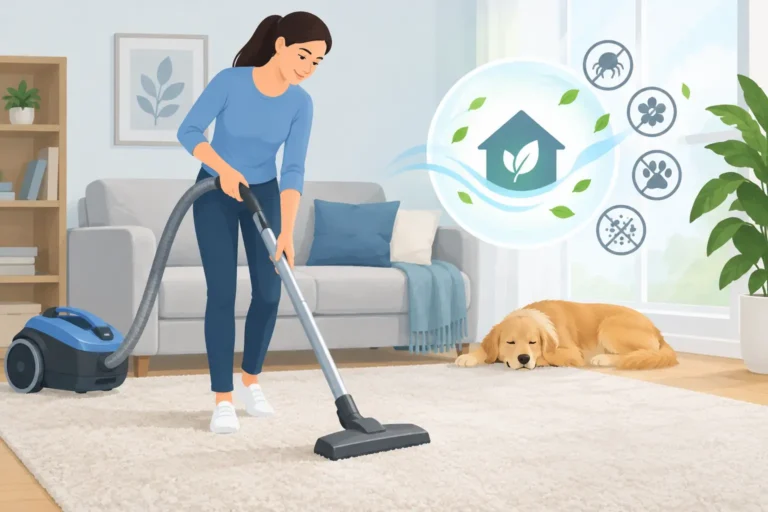
A carpet can look clean while holding the things that make a sensitive nose, itchy eyes or coughing worse. Dust, pollen, pet dander and tiny particles settle deep into the pile, especially in busy family homes along Perth’s northern coastal corridor. The best carpet cleaners for allergies are not simply the ones that leave a fresh scent. They are the cleaners and methods that lift built-up soil, rinse it away effectively and leave the carpet properly dry.
For households managing allergies, carpet care is less about making a room look presentable and more about reducing what gets tracked through it every day. A practical routine, paired with professional cleaning when needed, can make a real difference to how fresh and comfortable your home feels.
Why carpets can aggravate allergy symptoms
Carpet fibres act a little like a filter. They catch particles brought in on shoes, carried in through open doors and windows, or shed by people and pets. That includes outdoor pollen, fine dust, pet dander, hair and dust mite debris. The particles do not stay neatly on the surface. Foot traffic, children playing on the floor and pets moving through the house can work them further into the carpet.
This does not mean carpet is automatically a poor choice for an allergy-aware home. In fact, it can hold particles until they are removed rather than allowing them to drift around immediately. The issue is whether that removal happens regularly and thoroughly. A quick pass with a standard vacuum may pick up surface crumbs and visible fluff, but it may leave fine particles behind.
Allergy symptoms also have more than one possible cause. If a room feels musty, has had a leak, or stays damp after cleaning, mould and moisture may need attention as well. Carpet cleaning should support a healthy indoor environment, but it is not a substitute for dealing with an active moisture problem.
What makes the best carpet cleaners for allergies?
For allergy-conscious households, the best approach usually combines frequent vacuuming with a deep clean that removes soil from below the surface. A carpet cleaner should do more than wet the fibres and make the room smell pleasant. It needs enough cleaning action to loosen embedded grime, followed by strong extraction that removes the dirty water and cleaning residue.
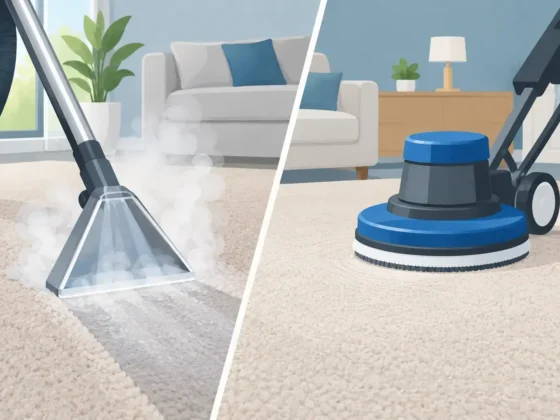
Professional hot water extraction is often a sensible option for carpeted homes. Despite being commonly called steam cleaning, the process uses heated water and a suitable cleaning solution applied into the carpet, then extracts the moisture and soil back out. When carried out correctly, it reaches further into the pile than everyday vacuuming and helps remove the build-up that ordinary cleaning can miss.
The quality of extraction matters. Leaving too much moisture behind can extend drying time and create an uncomfortable, stale feeling in the home. Well-maintained equipment, the right amount of water for the carpet, and a technician who understands different fibre types all help the carpet dry efficiently.
Low-residue cleaning products are another worthwhile consideration. Heavy product residue can attract more soil over time, which is the opposite of what an allergy-aware household needs. A professional should choose a method that suits the carpet’s condition, material and level of soiling, rather than treating every room exactly the same.
Vacuuming still does the everyday work
A professional clean is valuable, but it is not a once-and-done answer. The daily and weekly habits between appointments have the biggest effect on what builds up in your carpet.
For most homes, vacuuming at least once or twice a week is a good starting point. Homes with pets, young children, frequent visitors or family members with stronger allergies may benefit from more regular vacuuming in high-use areas. Take your time rather than rushing through the room. Slow passes allow the vacuum to lift more from the carpet pile, particularly around sofas, beds and entryways.
A vacuum with a sealed system and HEPA filtration can be useful for allergy sufferers because it is designed to capture fine particles rather than blow them back into the room. Empty the bin or replace the bag carefully outdoors where possible, and keep filters maintained according to the manufacturer’s instructions. A full bag or blocked filter reduces suction just when you need it most.
Do not forget the places that are easy to overlook. Mats at external doors, rugs, upholstered furniture, skirting-board edges and the gap beneath beds can all hold dust. Cleaning these areas helps stop the same particles finding their way straight back onto your freshly cleaned carpet.
Choosing a professional carpet cleaner
When comparing local carpet cleaning services, ask practical questions rather than focusing only on promises of a spotless finish. Find out whether the cleaner uses an extraction method, how they assess carpet type and staining, and what steps they take to avoid over-wetting. A reliable operator should be happy to explain the process in plain language.
It is also sensible to choose an insured, qualified cleaner with experience in occupied homes, rental properties and family spaces. This matters when carpets contain delicate fibres, stubborn pet areas or old stains that need realistic expectations. No honest cleaner can promise that every mark will disappear, particularly if it has been sitting for a long time or has altered the carpet dye. They can, however, explain what is achievable and take care with your flooring.
For tenants preparing for a vacate inspection, a proper carpet clean can help remove the everyday build-up left by a busy household. If allergies have been a concern during the tenancy, scheduling cleaning after furniture has been moved gives the technician better access to dust-prone areas. Landlords and property managers can also benefit from a consistent, documented approach between tenancies, particularly where pets have been allowed.
Fresh Carpet, Tile & Grout Cleaning Services is owner-operated by Will and Kassie, so customers across Yanchep, Two Rocks, Alkimos, Eglinton, Joondalup and nearby areas deal directly with the people completing the work. That personal accountability is reassuring when you want clear communication and careful treatment of your home.
Keep carpets drier and cleaner after treatment
After a deep clean, help the carpet dry by opening windows when weather permits and allowing air to circulate through the room. Use fans if needed, but avoid placing heavy furniture back too soon. The carpet may feel dry at the surface before the backing is fully dry, so follow the cleaner’s advice on when normal use can resume.
Once it is dry, return to regular vacuuming. Consider leaving shoes at the door, using washable entry mats and grooming pets regularly to reduce what reaches the carpet in the first place. During high-pollen periods, it can also help to vacuum more often and keep windows closed at times when outdoor pollen is most noticeable.
Be cautious with heavily fragranced sprays and powders. A strong scent does not prove a carpet is clean, and some people with sensitivities find added fragrances unpleasant. If you use a spot cleaner between professional appointments, test it in an inconspicuous area first and avoid soaking the carpet. Blot spills promptly instead of rubbing them deeper into the fibres.
When it is time for a deeper clean
Visible dirt is not the only sign a carpet needs attention. If the room becomes dusty quickly after vacuuming, there is a lingering pet smell, family members seem bothered in certain rooms, or the carpet feels flattened and dull, it may be holding more than your vacuum can reach. A deep professional clean is particularly worthwhile after a wet winter, a busy entertaining period, pet accidents or an end-of-lease move.
The right frequency depends on your household. A quiet, pet-free home may need professional cleaning less often than a home with children, pets and regular coastal sand tracked inside. The aim is not to chase perfection. It is to keep the carpet clean enough that it supports a fresher, more comfortable home.
If allergies are ongoing or severe, speak with a health professional about your individual triggers. Then make carpet care one manageable part of the plan: vacuum carefully, address dampness quickly, clean spills before they settle, and arrange a thorough clean when the carpet needs more than a surface refresh.

You must belogged in to post a comment.