
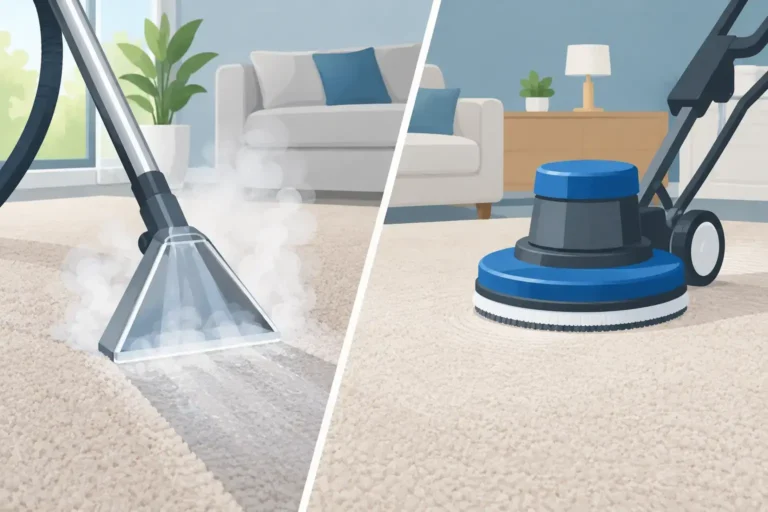
A carpet can look clean on the surface while still holding tracked-in soil, pet residue, drink spills and the fine grit that slowly wears down its fibres. That is why the choice between steam cleaning versus dry cleaning is more than a question of how quickly the carpet will dry. The right method depends on the carpet’s condition, its material, the type of soiling and what you need from the clean.
For homes, rentals and commercial spaces across Perth’s northern coastal communities, both methods can have a place. What matters is choosing a method that is suitable for the job rather than applying the same approach to every room.
What steam cleaning really means
Despite the name, professional steam cleaning is usually hot water extraction rather than a burst of dry steam. A cleaning solution and heated water are worked into the carpet, then powerful extraction equipment lifts the moisture, loosened soil and cleaning residues back out.
This is a thorough cleaning method for carpets that have had plenty of foot traffic, noticeable marks, pet accidents, food spills or a general build-up of grime. It reaches further into the pile than a surface clean, helping to flush out the dirt that ordinary vacuuming cannot remove.
Steam cleaning is often a sensible choice before a property inspection, after tenants move out, or when a family wants a more complete refresh of living areas and bedrooms. It can also work well for suitable fabric sofas, mattresses and rugs, although each item needs to be checked first for fibre type, colourfastness and construction.
The trade-off is drying time. A properly cleaned carpet should be left damp, not soaking wet, but it still needs airflow and time to dry. In many homes this may be several hours, though weather, ventilation, carpet thickness and how heavily soiled it was all make a difference. Opening windows where practical, using fans and keeping the room clear of foot traffic will help.
Steam cleaning versus dry cleaning: the key difference
Dry cleaning for carpets does not usually mean the solvent-based process used for clothes. In carpet cleaning, it generally refers to low-moisture methods. These may use an absorbent compound or a specialised cleaning product that captures soil and is then removed through vacuuming or agitation.
Because less water is used, dry cleaning can leave carpet ready for light use sooner. That is useful in offices, busy homes, hallways, show homes or situations where a room cannot be left out of action for long.
However, a quick-drying method is not automatically the best method for deeply embedded soil or old staining. Low-moisture cleaning can provide a worthwhile refresh, particularly for routine maintenance, but it may not give the same flushing effect as hot water extraction on a heavily used carpet.
The simplest way to think about the difference is this: steam cleaning is usually chosen when the priority is a deeper wash and extraction, while dry cleaning is often chosen when minimal moisture and a faster return to use are the main concern. Both can be professionally carried out, but neither is a one-size-fits-all answer.
When steam cleaning is likely to be the better option
Steam cleaning is commonly suited to carpets that need more than a tidy-up. If the carpet feels dull underfoot, has traffic lanes near doors and sofas, or carries odours after pets and everyday family life, extraction can make a noticeable difference.
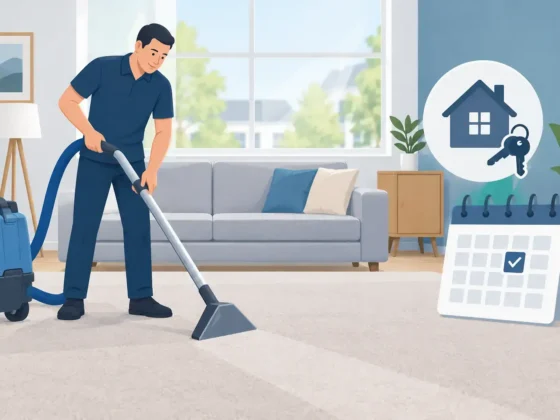
It is also a practical option for end-of-lease and vacate cleans where carpets have been used for months or years and need to present well for handover. Many property managers and landlords expect carpets to be professionally cleaned, but tenants should still check the tenancy agreement and any inspection instructions. A cleaning method should suit the carpet, not just a box on a moving checklist.
For spill treatment, speed matters as much as method. Blot fresh spills with a clean white cloth rather than rubbing them further into the fibres. Avoid soaking the area with household products, as some cleaners can leave sticky residue, set a stain or cause colour change. A professional can assess whether extraction is appropriate and what result is realistic.
Steam cleaning may also be the better choice where hygiene is a concern, such as a mattress or fabric lounge that has seen frequent use. That said, delicate fabrics, natural fibres and unstable dyes need careful testing first. Good cleaning is never about using the strongest possible process. It is about using the safest effective one.
When dry cleaning makes more sense
Dry cleaning can be a smart choice for carpets that are lightly soiled and need a maintenance clean without a long drying window. Commercial areas, display spaces and homes with limited ventilation can benefit from a low-moisture approach when the carpet is otherwise in reasonable condition.
It may also be considered for certain delicate carpets or rugs where excess moisture could create problems. Wool, handwoven rugs, older pieces and loose-backed carpets deserve particular care. The cleaning method should take account of the fibres, dyes, backing and manufacturer guidance, rather than relying on a generic rule.
A dry clean is not a shortcut when used in the right situation. It can be an effective maintenance method that keeps a carpet looking presentable between deeper cleans. But if odours, sticky residues, heavy traffic marks or ingrained soil are present, a low-moisture treatment alone may not be enough.
Drying time is about more than the cleaning method
People often ask how long carpet will take to dry because they have children, pets, furniture deliveries or a final inspection to organise. The honest answer is that conditions matter.
A thick carpet in a closed room on a humid day will dry more slowly than a lightly soiled carpet in a well-ventilated room with moving air. Heavy contamination can also require more rinsing, while older carpet backing may hold moisture differently from newer materials.
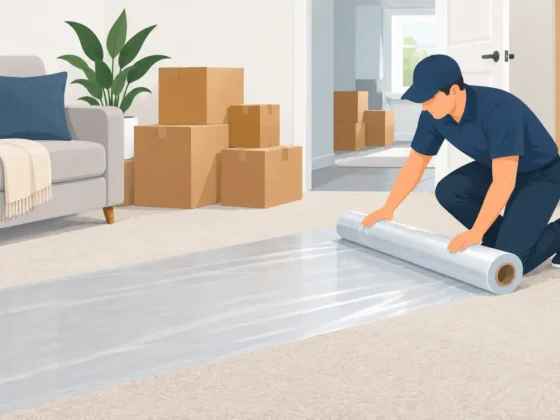
Professional equipment and correct technique make a genuine difference. The aim is to remove as much moisture as possible during the clean, without overwetting the carpet. Once the work is complete, avoid replacing furniture until the carpet is dry where possible. If furniture must go back, protective tabs can help prevent marks or staining from timber and metal legs.
What about tile, grout and upholstery?
The terms steam cleaning and dry cleaning are most often used for carpets, but the same principle applies across the home: the material and the soil determine the method. Tile and grout, for example, usually need targeted agitation and extraction rather than a carpet dry-cleaning process. Grout can hold built-up dirt in its pores, so surface mopping rarely delivers the same result as professional cleaning.
Upholstery also needs an individual approach. Some fabric lounges respond well to low-moisture cleaning, while others can be safely cleaned using extraction. A quick inspection helps identify the fabric, existing wear, stains and any risks before work begins.
A practical choice for homes and rentals
If your carpet only needs a light refresh and you need the room back in use quickly, dry cleaning may be worth considering. If the carpet has seen busy family life, tenants, pets, spills or long-term foot traffic, steam cleaning is often the more thorough option.
At Fresh Carpet, Tile & Grout Cleaning Services, Will and Kassie assess the condition of the flooring or furnishings before recommending a suitable approach. As owner-operators, they understand that a rental handover, property listing or family home clean needs clear communication and careful workmanship, not confusing jargon.
Before booking any professional clean, mention the age of the carpet, known stains, pets, fabric type and any deadline for an inspection or handover. That information helps the cleaner plan properly and set sensible expectations.
A clean carpet should make life easier, whether you are preparing to move, welcoming new tenants or simply enjoying a fresher home. Choose the method that suits the material and the mess, then give it the care and drying time it needs to look its best.


You must belogged in to post a comment.