
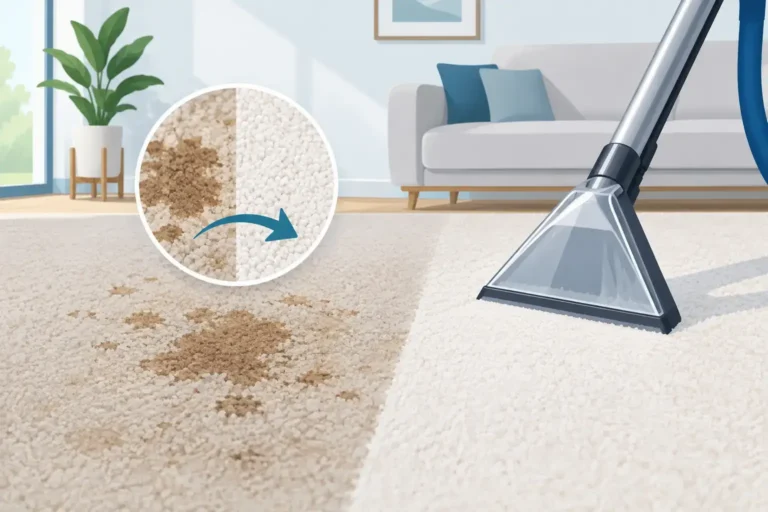
A coffee spill from last winter, a pet accident you thought had been dealt with, or a dark patch left behind after moving furniture can make a carpet feel permanently marked. But can cleaning lift old stains? Often, yes – professional cleaning can make a real difference to older marks. The honest answer is that results depend on what caused the stain, how long it has been there and what has already been tried.
Old stains are not automatically permanent. Even when a mark has been sitting in a carpet for months or years, proper treatment can break down residue, reduce discolouration and leave the area looking much fresher. At the same time, it is better to set realistic expectations than promise that every mark will disappear completely.
Can cleaning lift old stains completely?
Some old stains lift fully. Others improve significantly but leave a slight shadow, especially in pale carpet or areas with heavy wear. A professional cleaner will assess the stain before treatment and explain what is likely to be achievable.
The biggest factor is the stain itself. Water-based spills such as soft drink, tea, mud or many food marks can often respond well, even after they have dried. Oil, grease, ink, hair dye, paint, bleach, rust and certain pet stains can be more difficult because they either bond strongly with fibres or change the carpet’s colour.
There is also a difference between a stain and permanent damage. A stain is material sitting in or around the fibres that may be removed. Colour loss from bleach, sun fading or harsh chemicals is not something cleaning can wash away. It may look like a stain, but the original dye has already been removed from the carpet.
Why old stains become harder to remove
Fresh spills are usually easier because the substance has not had much time to travel deep into the pile, backing or underlay. Once a spill dries, it can harden, attract dirt and become more noticeable over time. Repeated foot traffic presses residue further into the carpet, which is why an old drink spill can eventually become a dark, grubby-looking patch.
Previous cleaning attempts also matter. Supermarket spot cleaners may help with a fresh accident, but using too much product can leave a sticky residue behind. That residue attracts soil and can make the patch reappear quickly. Scrubbing hard can spread the stain, roughen the carpet fibres or push moisture down into the backing.
Pet accidents are a common example. The visible mark may fade after a quick clean, while urine crystals and odour remain beneath the surface. When humidity rises or the area becomes damp, the smell can return. Proper treatment needs to address the source, not just freshen the top of the carpet.
What professional carpet cleaning can do
Professional carpet cleaning is more than running a machine over the floor. The process starts with identifying the likely cause of the mark and the carpet fibre involved. Wool, synthetic carpet and delicate rugs do not all respond to the same products or cleaning method.
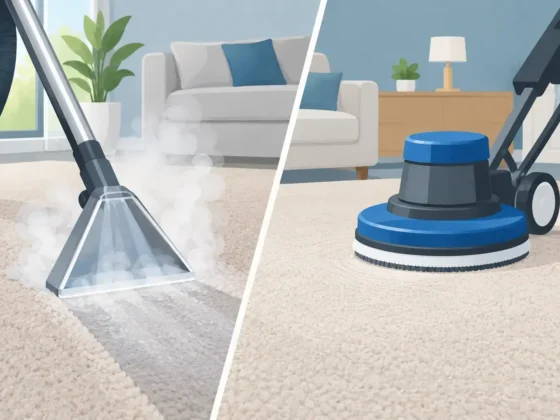
Appropriate pre-treatment is then applied to help loosen the stain. Depending on the issue, this may involve a targeted solution for food residue, oily soil, tannins, pet accidents or heavy traffic areas. The carpet is cleaned using professional equipment that flushes out loosened soil and moisture, rather than simply wetting the area and hoping for the best.
For older stains, treatment sometimes needs more than one step. A stubborn mark may soften after the first clean and respond better to a further targeted treatment. This is why it helps to point out any old stains before work begins, rather than assuming they will be obvious once the carpet is wet.
At Fresh Carpet, Tile & Grout Cleaning Services, every job is completed by the owners, so you can speak directly with the people cleaning your carpet about the marks that concern you. That personal approach is especially useful for vacate cleans, rental inspections and family homes where a few difficult spots can make an otherwise clean room look tired.
Common old stains and what to expect
Food, drink and muddy footprints
Tea, coffee, wine, soft drink, gravy and muddy foot traffic are frequent calls after parties, school holidays and busy family life. These marks often improve well with the right treatment, although darker drinks on light carpet can be more stubborn. If someone has used a coloured cleaning product or rubbed the spill repeatedly, results may be less predictable.
Pet stains and lingering odours
Older pet stains can be challenging because the problem may be deeper than the visible patch. Targeted treatment can reduce staining and help deal with odour, but the outcome depends on how much contamination reached the backing and underlay. If an accident has soaked through repeatedly in the same place, additional work or replacement of affected materials may sometimes be needed.
Grease, makeup and oily marks
Grease attracts dust, so oily stains around sofas, dining areas and entry points often look darker with age. Makeup, moisturiser and cooking oils can also leave residue in the pile. These stains need the right product to break down the oil before extraction. Washing with water alone is rarely enough.
Ink, paint, dye and bleach marks
Ink, paint and dye can be difficult because they are designed to leave colour behind. Some marks can be reduced, depending on the product and the fibre, but there are no guarantees. Bleach is different again: it removes colour from the carpet, so cleaning cannot restore what is no longer there.
What to do before your cleaning appointment
Avoid adding more products if you are booking a professional clean. Mixing household cleaners can make stain removal harder and, in some cases, may set the mark or affect the carpet colour. If you know what caused the stain, keep that information handy. A quick photo from when it first happened can also help if the colour or shape has changed over time.
Vacuuming beforehand is useful for general soil removal, but do not worry about trying to scrub the spot out. Clear small furniture and personal items where possible so the affected area can be properly reached. For a rental property, let the cleaner know if there are particular marks your property manager has raised, as this helps focus attention where it is most needed.
If the stain is still damp, blot it gently with a clean white cloth or paper towel. Work from the outside towards the centre and avoid rubbing. Do not use coloured cloths, as dye can transfer to damp carpet fibres.
When an old stain is unlikely to disappear
A dependable cleaner should be clear when a stain may be permanent. The likelihood of complete removal is lower where a mark has been repeatedly treated with strong chemicals, where bleach or sun has changed the carpet colour, or where the fibres have been damaged by friction. High-traffic areas may also have general wear that cannot be cleaned away because the pile has flattened or aged.
That does not mean cleaning is not worthwhile. Removing built-up soil around an old mark can make the whole area look more even and refreshed. For end-of-lease carpets, professional cleaning can also help present the property in its best condition, even where a pre-existing mark cannot be fully removed.
Give your carpet the best chance
The sooner a spill is dealt with, the better, but do not write off an older stain just because it has been there for a while. A professional assessment can separate removable residue from permanent damage and give you a straightforward view of what can be improved.
If you are in Yanchep, Two Rocks, Alkimos, Eglinton, Joondalup or nearby northern Perth coastal areas, take note of the stains you are concerned about and mention them when arranging your clean. A little detail at the start helps give your carpet its best chance of looking cleaner, brighter and ready to enjoy again.



You must belogged in to post a comment.